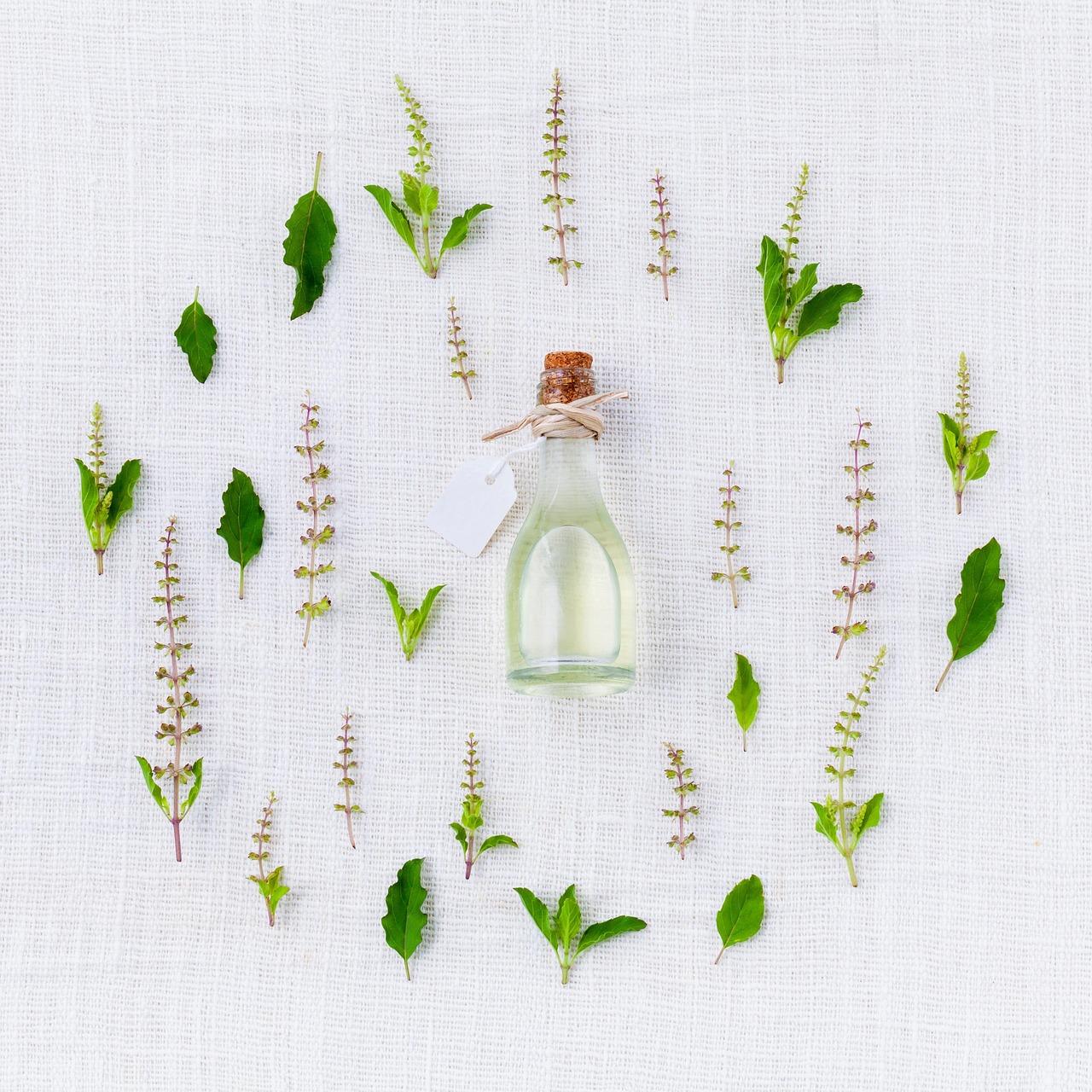
DIY Coriander Perfume: Spicy Citrus Cologne Recipes to Mix at Home
Coriander seed essential oil has a personality that perfumers have quietly relied on for decades. It opens with something almost citrusy, then settles into a warm, woody spice with a faint herbal sweetness underneath. It layers beautifully with bergamot, black pepper, sandalwood, and vetiver. And yet it rarely gets top billing. Most home blenders reach for it as a supporting note, when in fact it can carry an entire fragrance from start to finish.
This guide walks you through two complete coriander perfume blends: a bright, citrus-forward cologne and a deeper, resinous interpretation. Both are formulated for wrist and pulse-point wear, built around industry-standard dilution ratios, and designed to be genuinely wearable rather than just interesting on a test strip. If you want background on how coriander oil is sourced, extracted, and used beyond the bottle, the complete guide to coriander essential oil uses for aroma is a good place to start.
Before You Blend: A Quick Word on Fragrance Structure
A well-constructed personal fragrance has three layers. Top notes are what you smell immediately; they are usually the lightest, most volatile components. Middle notes (sometimes called heart notes) emerge after about ten to twenty minutes and form the core character of the scent. Base notes anchor everything; they are the slowest to evaporate and the longest-lasting on skin.
Coriander seed oil sits comfortably in the middle register, with some top-note brightness early on. That flexibility makes it an unusually useful building block for a coriander perfume blend. It bridges citrus and wood without either fighting for dominance.
What You Will Need: Equipment and Base Materials
Equipment
- Two 10 ml (approximately 0.34 oz) dark glass roller bottles, or one 10 ml and one 30 ml dark glass spray bottle
- Small glass measuring beaker or graduated pipette
- Disposable droppers or pipettes (one per oil)
- Scent-testing strips or coffee filter scraps
- Fine-point permanent marker and labels
- Notebook to record your formula
Carrier Base
Perfumers traditionally dilute essential oils in one of two bases: high-proof alcohol (such as perfumer's alcohol or 190-proof ethanol) for an eau de cologne style, or a light, odor-neutral fixed oil for an oil-based roll-on. Both approaches are represented in the recipes below. Jojoba oil is the preferred fixed carrier here because it is technically a liquid wax, resists going rancid, and is very gentle on skin for most people.
Do not use rubbing alcohol (isopropyl alcohol) as a carrier for skin-applied perfume. It is formulated for surface disinfection, not cosmetic wear.
Recipe 1: Sunlit Coriander Cologne (Alcohol-Based)
Difficulty: Beginner-friendly. Prep time: 20 minutes active, plus 48-hour resting period.
This is a light, daytime fragrance with a citrus-spice character. It reads as fresh and slightly herbal, then dries down to a gentle woody warmth. The citrus notes lift the coriander upward; the sandalwood holds it on skin longer than it would otherwise last.
Ingredients (makes one 10 ml bottle)
| Ingredient | Drops | Notes / Layer |
|---|---|---|
| Coriander seed essential oil | 10 | Heart, spice anchor |
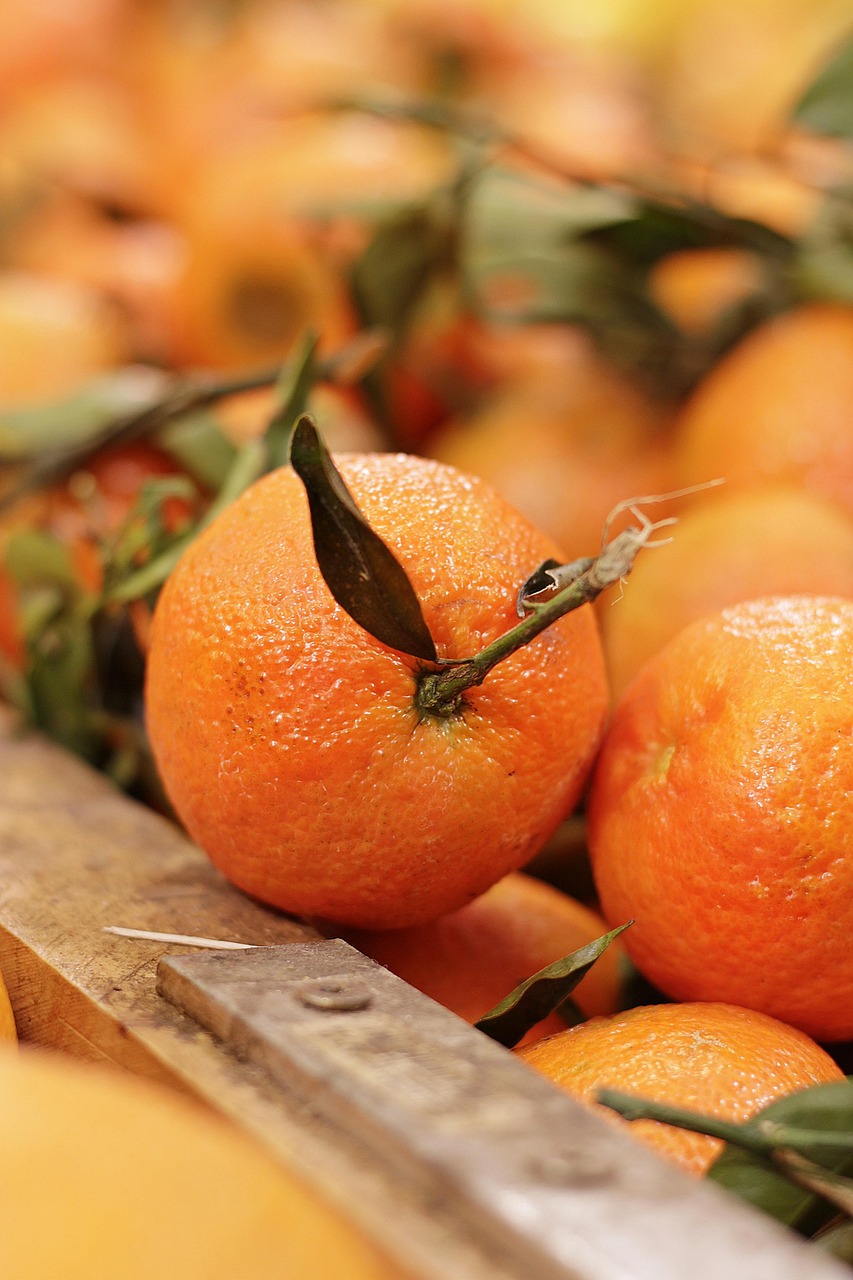
| Bergamot essential oil (furanocoumarin-free / FCF) | 8 | Top, bright citrus |
| Pink grapefruit essential oil | 6 | Top, juicy lift |
| Black pepper essential oil | 4 | Heart, dry spice |
| Sandalwood essential oil (Australian or Hawaiian) | 5 | Base, creamy wood |
| Cedarwood (Atlas) essential oil | 3 | Base, dry depth |
| Perfumer's alcohol (or 190-proof ethanol) | Fill to 10 ml | Carrier |
Total essential oil concentration: approximately 18% in a 10 ml bottle. This falls within the standard range for an eau de parfum. For a lighter eau de cologne concentration, reduce all oil drops by roughly half and fill to volume with alcohol.
Step-by-Step Instructions
- Label your bottle before you start so you do not mix it up with other projects.
- Add essential oils to the empty glass bottle in the order listed above: base notes first, then heart, then top. This order is not strictly required but helps you assess the emerging scent as you build.
- Add about 60% of your alcohol volume. Cap the bottle and roll gently between your palms for thirty seconds. Do not shake vigorously; this introduces micro-bubbles that can affect the clarity of alcohol-based fragrances.
- Open and smell on a strip. Adjust by adding one drop at a time if something feels off. Common adjustments: add one more drop of bergamot if it smells too flat, or one more drop of sandalwood if the citrus is too sharp for your preference.
- Fill to the 10 ml mark with alcohol. Roll gently again.
- Store in a cool, dark place with the cap on for a minimum of 48 hours. Alcohol-based fragrances improve significantly over the first week as the molecules integrate. Many perfumers wait two weeks before evaluating a blend as finished.
- After resting, test on your inner wrist and allow to dry completely before judging the dry-down character.
Recipe 2: Warm Seed Roll-On (Oil-Based)
Difficulty: Beginner-friendly. Prep time: 15 minutes active, no mandatory resting period (though 24 hours improves the blend).
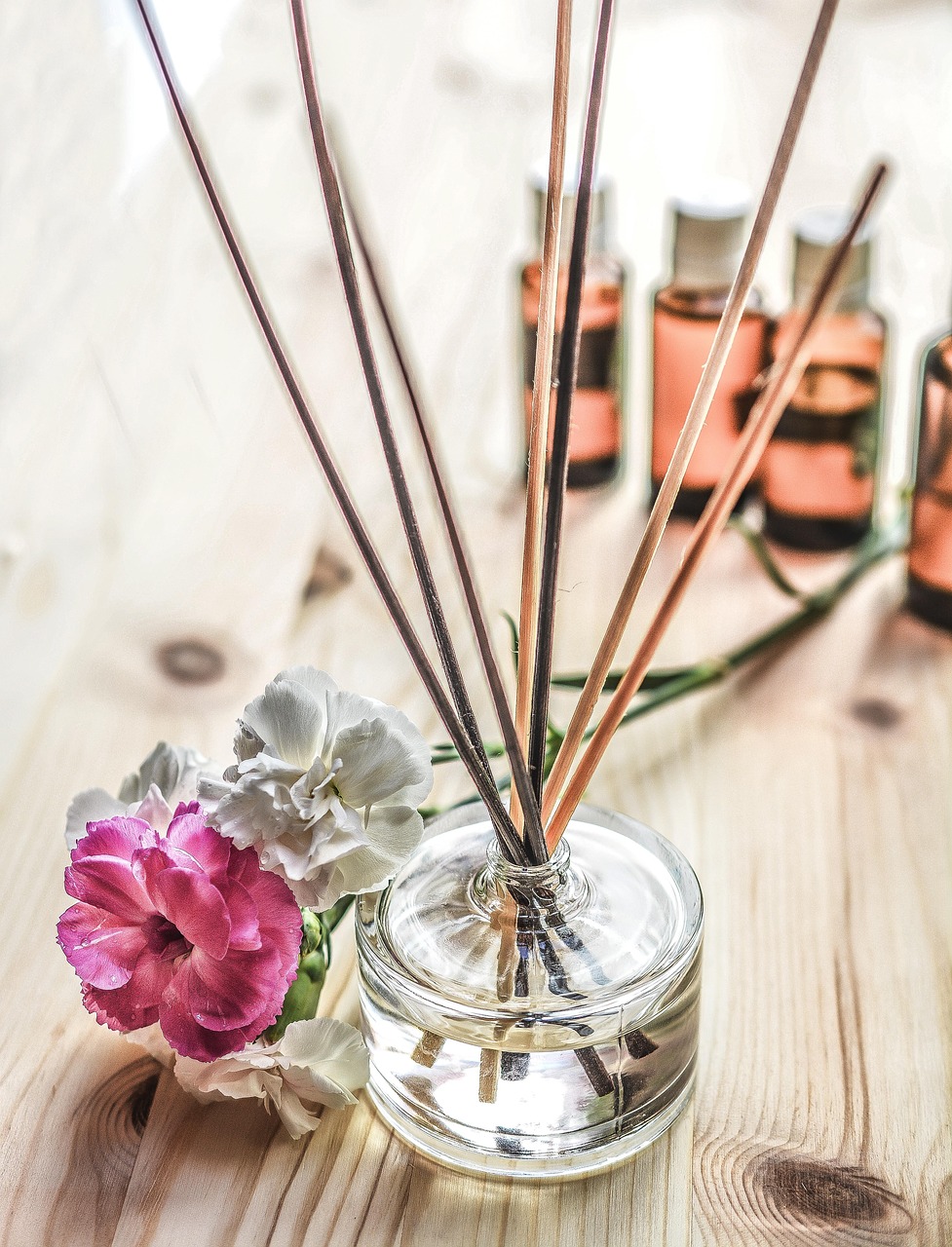
This version is richer and slower to open on skin. Vetiver and frankincense replace the lighter citrus elements with something more grounded and earthy. It is a good evening fragrance, or a cooler-weather alternative to Recipe 1. If you enjoy exploring how coriander pairs with resinous notes, the guide on blending coriander and bergamot for citrus-spice balance offers additional pairing context.
Ingredients (makes one 10 ml roller bottle)
| Ingredient | Drops | Notes / Layer |
|---|---|---|
| Coriander seed essential oil | 12 | Heart, spice anchor |
| Cardamom essential oil | 5 | Heart, sweet-spice warmth |
| Frankincense (Boswellia carterii) essential oil | 6 | Base, resinous depth |
| Vetiver essential oil | 3 | Base, smoky earth |
| Bergamot FCF essential oil | 4 | Top, citrus lift |
| Jojoba oil (golden or clear) | Fill to 10 ml | Carrier |
Total essential oil concentration: approximately 15% in a 10 ml bottle. This is appropriate for a pulse-point roll-on applied to wrists, inner elbows, and neck. Do not apply to broken or irritated skin.
Step-by-Step Instructions
- Remove the roller ball insert from your bottle using a small flat tool or the back of a spoon, or use a bottle with a removable top designed for filling.
- Add essential oils directly into the bottle: begin with vetiver (it is thick and slow-moving), then frankincense, then coriander, cardamom, and bergamot last.
- Fill with jojoba oil, leaving just enough room to replace the roller insert without overflow.
- Press the roller ball back in firmly. Cap. Roll the bottle slowly between both palms for sixty seconds to combine.
- Wipe the outside of the bottle clean. Label clearly with the date and formula name.
- Allow to rest for 24 hours before first use if possible. Unlike alcohol blends, oil-based formulas integrate faster but still benefit from a brief settling period.
Safety Warnings: Read Before You Blend
Patch test before wearing any new blend. Apply a small amount to the inside of your elbow, cover lightly, and wait 24 hours. Discontinue use if you notice any redness, itching, or discomfort. Consult a qualified healthcare provider before using essential oils if you are pregnant, nursing, or have a known sensitivity to botanical ingredients.
Dilution Ratios
Both recipes above are formulated for adult skin at concentrations considered standard in cosmetic perfumery. If you have sensitive skin, reduce the essential oil count by 30% and increase the carrier proportionally before your first use. Children, older adults, and individuals with known sensitivities should use significantly lower concentrations; a 1-2% dilution (roughly 2-4 drops of essential oil per 10 ml of carrier) is a more cautious starting point.
Photosensitivity
The recipes above specify furanocoumarin-free (FCF) bergamot. This is important. Standard bergamot essential oil contains furanocoumarins, compounds that can cause skin darkening or burning when exposed to UV light. If you substitute standard bergamot, do not apply the fragrance to skin that will be exposed to direct sunlight for 12-18 hours after application. The same caution applies to expressed (cold-pressed) grapefruit; the version used in Recipe 1 should ideally be steam-distilled to minimize photosensitizing compounds.
Other Precautions
- Keep all essential oils and finished blends away from eyes, mucous membranes, and children.
- Vetiver and frankincense are generally considered low-sensitization oils, but individual responses vary.
- Black pepper essential oil may cause a mild warming sensation on some skin types; test it separately on your inner arm before incorporating it into a wearable blend.
- These formulas are for external, cosmetic use only.
Storage Instructions and Shelf Life
Both formulas store well in dark glass. Keep them away from direct sunlight, heat sources, and humidity (which means the bathroom cabinet is actually a poor choice despite the convenience).
- Alcohol-based cologne (Recipe 1): Up to 2 years when stored in a cool, dark location. Alcohol is an excellent preservative. The scent character may shift subtly over time as the blend continues to mature, often for the better in the first six months.
- Oil-based roll-on (Recipe 2): 12-18 months. Jojoba is among the most shelf-stable carrier oils available, but oxidation will eventually occur. If the oil develops a sharp, rancid note, discard and mix a fresh batch.
Variations and Substitutions
If You Cannot Source a Specific Oil
Sandalwood is expensive and sometimes hard to find from ethical, sustainable sources. You can substitute amyris essential oil (sometimes called West Indian sandalwood) for a similar creamy, woodsy character at a fraction of the price. It is not identical, but it supports coriander well.
Vetiver can be an acquired scent. If the earthy, smoky quality is too intense for your preference, try patchouli at a slightly reduced drop count. The result will be sweeter and less austere while still providing depth.
Feminine-Forward Variation
Add 4 drops of rose absolute or 3 drops of ylang-ylang to Recipe 1 in place of the cedarwood. Coriander and rose have a long history in classic French perfumery. The combination reads as sophisticated rather than sweet when the coriander seed is allowed to lead.
Woodsy Unisex Variation
Replace the grapefruit in Recipe 1 with 6 drops of juniper berry essential oil. The result is drier, more resinous, and closer in character to a classic fougere structure. For more ideas on how coriander moves through blending categories, explore the Sunlit Spice diffuser blend guide, which covers some of the same note pairings in a room-fragrance context.
Adjusting Intensity
If either finished blend feels too strong for daily wear, do not discard it. Simply add more carrier (alcohol or jojoba) until the concentration feels right on your skin. Essential oil concentration is one of the most personal variables in home perfumery, and there is no universal correct answer.
A Note on Ingredient Quality
The finished quality of any coriander cologne recipe is only as good as the ingredients going into it. For coriander seed specifically, look for oils derived from Coriandrum sativum seeds (not leaf/cilantro, which smells markedly different) and sourced from Eastern Europe or Russia where the seed tends to produce a more complex, linalool-rich oil. GC/MS (gas chromatography-mass spectrometry) test reports from the supplier are a reliable indicator of quality and authenticity.
Bergamot FCF should state clearly on the label that furanocoumarins have been removed. If the label is ambiguous, contact the supplier before purchasing for a skin-applied formula.
When you find a diy coriander perfume formula that works on your skin, write down every measurement. Scent memory is unreliable, and essential oil lots vary subtly from batch to batch. Your notes are the only way to reproduce a blend you love.
Mixing your own cologne is part craft, part patience, and part willingness to smell a hundred test strips. Start with these two formulas as a foundation, then move individual elements around as your nose develops. Coriander seed is a generous note to work with. It rarely dominates, rarely disappears, and almost always makes the blend around it smell better.