Coriander and Bergamot: Blending a Perfect Citrus Spice Pairing
Some pairings just make sense. Bergamot brings a luminous, slightly floral citrus brightness. Coriander seed oil answers with something warmer and rounder: a quiet spiciness, a faint woodiness, and a sweetness that keeps the whole blend grounded. Together, they create a coriander bergamot blend that feels polished without being fussy.
This guide walks through exactly how to build that blend at home, whether you want a personal fragrance, a diffuser blend, or a beautifully scented body oil. You will find precise measurements, clear instructions, and honest notes on what can go wrong and how to avoid it.
Before You Start: Understanding These Two Oils
Coriander Essential Oil
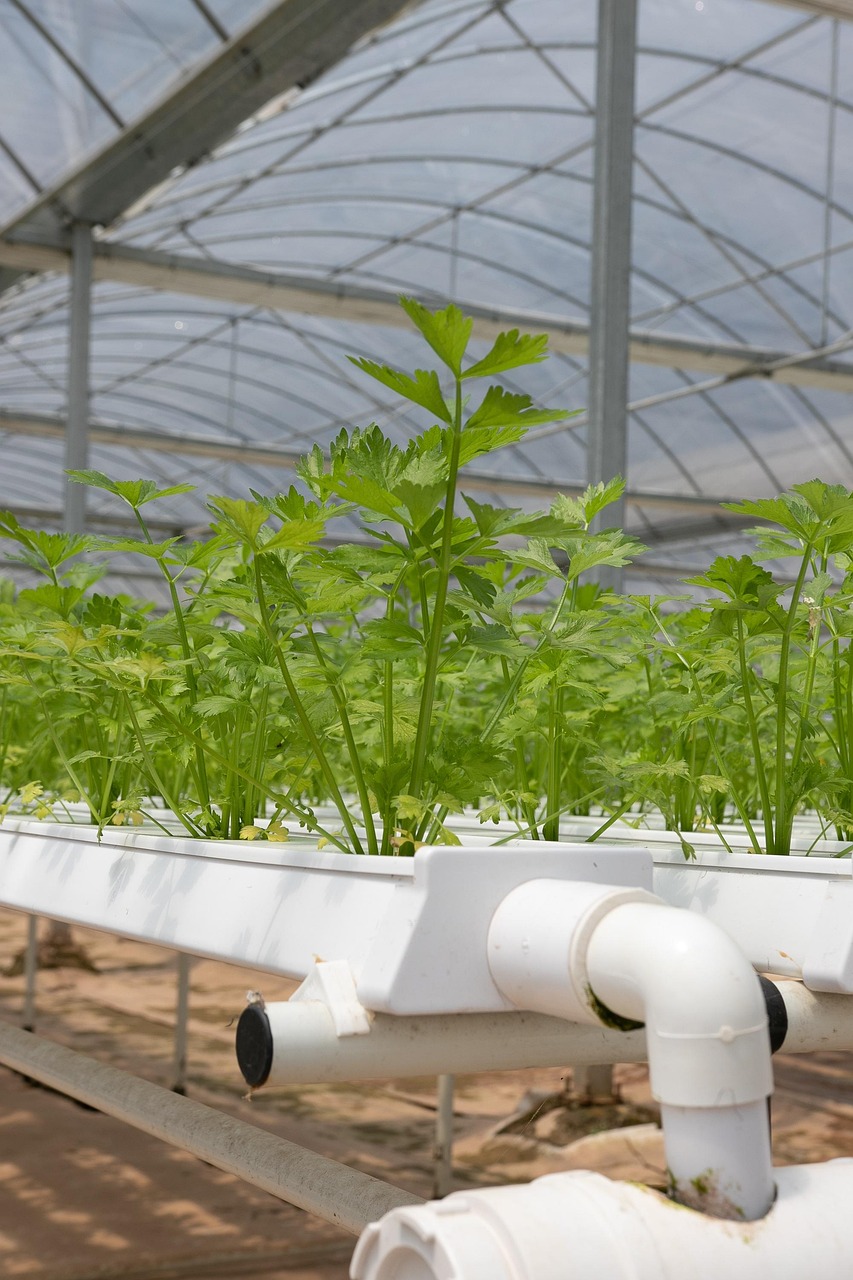
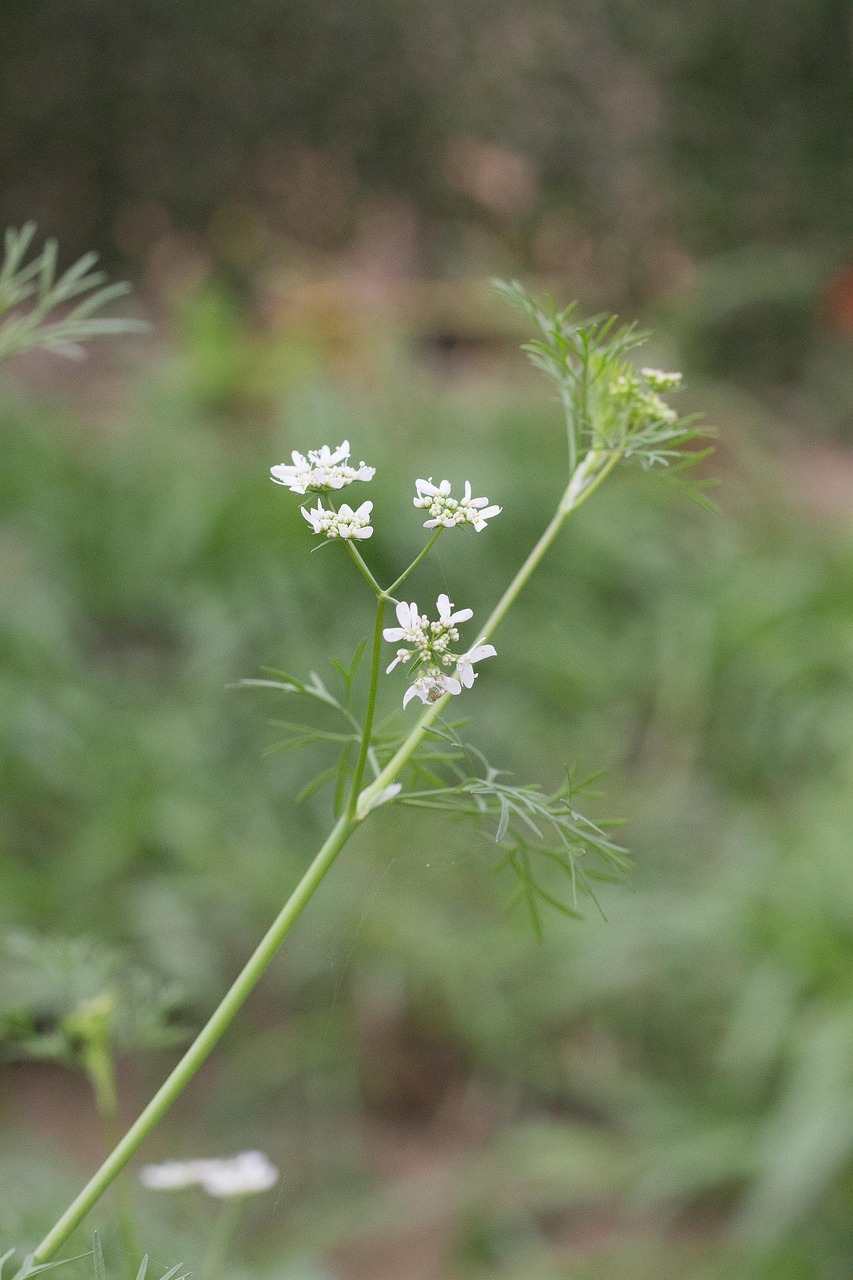
Distilled from the ripe, dried seeds of Coriandrum sativum, coriander essential oil is frequently underestimated. Its scent profile is soft and complex: a lightly spiced warmth, traces of citrus, and a clean, almost hay-like drydown. It blends into a formula rather than sitting on top of it, which makes it an excellent middle-note anchor. If you want to learn more about working with this oil across different contexts, the complete guide to coriander essential oil uses is a good place to start.
Bergamot Essential Oil
Bergamot (Citrus bergamia) is cold-pressed from the rind of a small, green citrus fruit grown primarily in Calabria, Italy. Its scent is bright and citrusy but with a distinctive floral undertone that separates it from lemon or lime. One important note: most standard bergamot contains bergapten, a natural compound that can cause skin sensitisation when exposed to sunlight. For any skin-applied blend in this guide, always use bergapten-free bergamot (labelled FCF, or furocoumarin-free). More on this in the safety section.
For a broader look at how coriander partners with other botanicals, see what blends well with coriander essential oil.
Recipe Overview
| Detail | Info |
|---|---|
| Difficulty | Beginner-friendly |
| Prep time | 15 minutes (plus 24-hour rest for best results) |
| Yield | Approx. 30 ml finished blend |
| Shelf life | 6 to 12 months (varies by carrier; see storage notes) |
| Primary use options | Body oil, diffuser blend, or room spray |
Ingredients
Core Essential Oil Blend (makes approximately 5 ml concentrate)
- Bergamot FCF essential oil: 40 drops (approx. 2 ml)
- Coriander seed essential oil: 30 drops (approx. 1.5 ml)
- Black pepper essential oil: 10 drops (approx. 0.5 ml), optional, adds a dry, peppery lift
- Cedarwood (Atlas or Virginian) essential oil: 10 drops (approx. 0.5 ml), optional, deepens the base
Note on ratios: The bergamot-to-coriander ratio here is roughly 4:3, which keeps the citrus brightness upfront while allowing the coriander's warmth to come through on the drydown. You can adjust this ratio to suit your preference.
For a Body Oil (30 ml total)
- Jojoba oil: 15 ml (lightweight, long shelf life, suits most skin types)
- Sweet almond oil: 13 ml (softening, good slip)
- Essential oil concentrate (above): 18 drops total for a 2% dilution
For a Diffuser Blend (ready to use, no carrier needed)
- Use 3 to 5 drops of the essential oil concentrate per 100 ml of water in your diffuser.
For a Room Spray (100 ml total)
- Distilled water: 80 ml
- Perfumer's alcohol or high-proof vodka: 18 ml (helps the oils disperse in water)
- Essential oil concentrate (above): 30 to 40 drops
Equipment
- Small glass beaker or mixing bowl (avoid plastic)
- Glass stirring rod or stainless steel dropper
- Amber or cobalt glass bottles with lids (5 ml for concentrate; 30 ml or 100 ml for finished products)
- Labels and a marker
- A notepad to record your ratios
Step-by-Step Instructions
Step 1: Set Up Your Workspace
Work on a clean, dry surface away from direct sunlight. Glass containers are strongly preferred over plastic, as essential oils can degrade certain plastics over time. Have all your bottles open and your dropper clean before you begin.
Step 2: Build the Essential Oil Concentrate
- Drop the bergamot FCF oil into your glass beaker first. Citrus oils are your top note, so adding them first gives you a smell reference as the blend builds.
- Add the coriander seed oil. Pause and smell. Notice how the spicy warmth settles underneath the citrus rather than competing with it.
- If using, add the black pepper drops. A small amount goes a long way; it sharpens the blend without overpowering it.
- If using, add the cedarwood drops. This softens the blend's exit and adds a quiet, woody depth.
- Stir gently with your glass rod. Do not shake vigorously at this stage.
- Transfer to your labelled 5 ml amber glass bottle and cap it. Let it rest for at least 24 hours before using or diluting. The scent will shift noticeably as the molecules settle and marry.
Step 3: Dilute for Skin Application (Body Oil)
- Combine jojoba and sweet almond oils in your 30 ml bottle.
- Add 18 drops of your rested essential oil concentrate. This gives you a 2% dilution, which is the standard recommended rate for most adults using a leave-on skin product.
- Cap, label with the date and contents, and roll the bottle gently between your palms to combine.
- Perform a patch test before full use (see safety section below).
Step 4: Make the Room Spray (Optional)
- Add the essential oil concentrate to the alcohol first and stir well. This step helps the oils disperse properly when the water is added.
- Pour in the distilled water slowly and stir again.
- Transfer to a dark glass spray bottle. Shake before each use, as water and oil will separate over time.
Safety Warnings and Contraindications
Dilution Ratios
For adult skin, a 2% dilution is the standard starting point for leave-on products like body oils. This means approximately 12 drops of essential oil per 30 ml of carrier oil. For a facial application or for anyone with sensitive skin, consider reducing to 1% (about 6 drops per 30 ml). Do not apply undiluted essential oils directly to skin.
Bergapten and Sun Sensitivity
This is the most important safety note for this particular citrus spice essential oil blend. Standard bergamot contains furanocoumarins, which can cause lasting skin discolouration or irritation when the skin is exposed to UV light. Always use bergapten-free (FCF) bergamot in any skin-applied product. If you are using non-FCF bergamot in a diffuser blend only, this concern does not apply, as diffused oils are not applied to skin.
Patch Testing
Before applying any new blend to a larger area of skin, test it on a small patch on the inside of your forearm. Apply a small amount of your diluted blend and wait 24 hours. If you notice redness, itching, or irritation, do not continue using that blend.
Pregnancy and Children
If you are pregnant, nursing, or blending for use on or around children, consult a qualified healthcare provider before using any essential oils. Black pepper essential oil in particular is generally considered unsuitable for young children.
General Cautions
- Keep all essential oils and blended products away from eyes and mucous membranes.
- Store out of reach of children and pets.
- If you are taking any medications or have ongoing health concerns, consult your healthcare provider before incorporating new topical products into your routine.
- Essential oils are flammable. Do not use near open flames.
Storage Instructions and Shelf Life
Your essential oil concentrate, stored in a sealed amber glass bottle away from heat and light, will keep well for up to two years. Citrus oils do oxidise faster than most, so it is worth noting the date on your label.
The body oil version has a shelf life largely governed by your carrier oils. Jojoba is technically a liquid wax and is highly stable, lasting up to two years. Sweet almond oil is more perishable at around 12 months. A blend using both carriers should be used within 6 to 10 months for best quality. Store in a cool, dark place.
The room spray will last around 3 to 4 months before the citrus notes begin to fade noticeably. Refrigeration can extend this slightly. Always shake before each use.
Variations and Substitutions
Swap the Base Carrier
If jojoba and sweet almond are not what you have on hand, this bergamot coriander oil concentrate works beautifully in fractionated coconut oil (odourless, lightweight, slow to oxidise) or in a blend of rosehip and squalane for a more skin-nourishing body oil.
Adjust the Spice Level
Coriander seed oil has a mild, gentle spice character. For a warmer, more intense profile, try replacing the black pepper with a small amount of cardamom essential oil (start with 5 drops in place of 10). Cardamom pairs naturally with both bergamot and coriander. The result is slightly more complex, and it carries a pleasant culinary edge. This connection between coriander's aromatic identity and its culinary roots is worth exploring further in our article on coriander in gin and the kitchen.
A Simpler Two-Oil Version
If you want to start with just the core pairing, skip the black pepper and cedarwood entirely. Blend 40 drops of bergamot FCF with 30 drops of coriander seed oil. That is the heart of this blend, and it stands on its own very well. The optional additions deepen and extend it, but they are genuinely optional.
Diffuser-Only Variation
For a lighter, more airy diffuser experience, try replacing 10 of the bergamot drops with lemon essential oil. The lemon adds a sharper, crisper top note that works particularly well in the morning. Standard (non-FCF) bergamot is fine for diffuser use.
Candle or Wax Melt Note
This concentrate can be used in cold-process candle making or wax melts at the fragrance load recommended by your wax supplier (typically 6 to 10% by weight). Note that citrus and light spice blends tend to have moderate scent throw in candles; layering with a small amount of benzoin or tonka bean absolute can help anchor the fragrance and improve longevity.
Tips for Getting the Best Results
- Let the blend rest. The 24-hour resting period is not optional if you want accurate results. A freshly mixed blend often smells unbalanced. Give the molecules time to integrate.
- Smell on a strip, not from the bottle. Dip a fragrance strip or piece of unscented paper into the blend and let it air for 30 seconds before evaluating. The scent changes significantly on dry-down.
- Keep notes. Write down every drop count. It sounds tedious, but the moment you make a blend you love and cannot recreate it, you will wish you had.
- Source quality oils. The quality gap between a well-sourced coriander seed oil and a poor one is significant. Look for suppliers who disclose the country of origin and provide GC/MS (gas chromatography/mass spectrometry) reports on request.
This pairing is a good entry point into the wider world of citrus spice essential oil blends. Bergamot and coriander share an aromatic kinship that makes them forgiving to blend with. The citrus stays luminous. The coriander keeps it warm and rooted. It is a balance that holds up across formats, from a quick diffuser fill to a finished body oil you reach for every evening.