Coriander Seed vs Cilantro Leaf: Why the Two Oils Smell So Different
Pick up a bottle of coriander seed essential oil and a bottle of cilantro leaf oil and hold them side by side. Both come from the same plant, Coriandrum sativum. Same species, same genus, same Latin name on the label. Yet one smells warm, round, and faintly sweet, while the other smells sharp, green, and bracingly herbal. For people new to botanical aromatics, this is genuinely baffling. For blenders who know both, it is one of the more instructive lessons the plant world offers.
This post walks through the chemistry, the sourcing, the scent profiles, and the practical uses of each oil. The goal is to help you make a confident choice, whether you are building a new blend, evaluating suppliers, or simply trying to understand why two oils from one plant smell so completely unlike each other.
Same Plant, Two Very Different Parts
The confusion starts with naming. In North America, the fresh green leaves are called cilantro. The dried seeds are called coriander. In much of Europe and South Asia, both the plant and its seeds go by coriander. Botanically, there is only one species involved. The distinction that matters for essential oil is which part of the plant is distilled.
Coriander seed essential oil is produced by steam-distilling the ripe, dried seeds. The seeds are harvested after the plant flowers and the fruit fully matures. At that stage, the volatile compounds inside have had time to develop into the warm, slightly citrusy, almost floral character the oil is known for. If you want a full account of that process, the post on how coriander essential oil is made covers the journey from harvest to finished oil in detail.
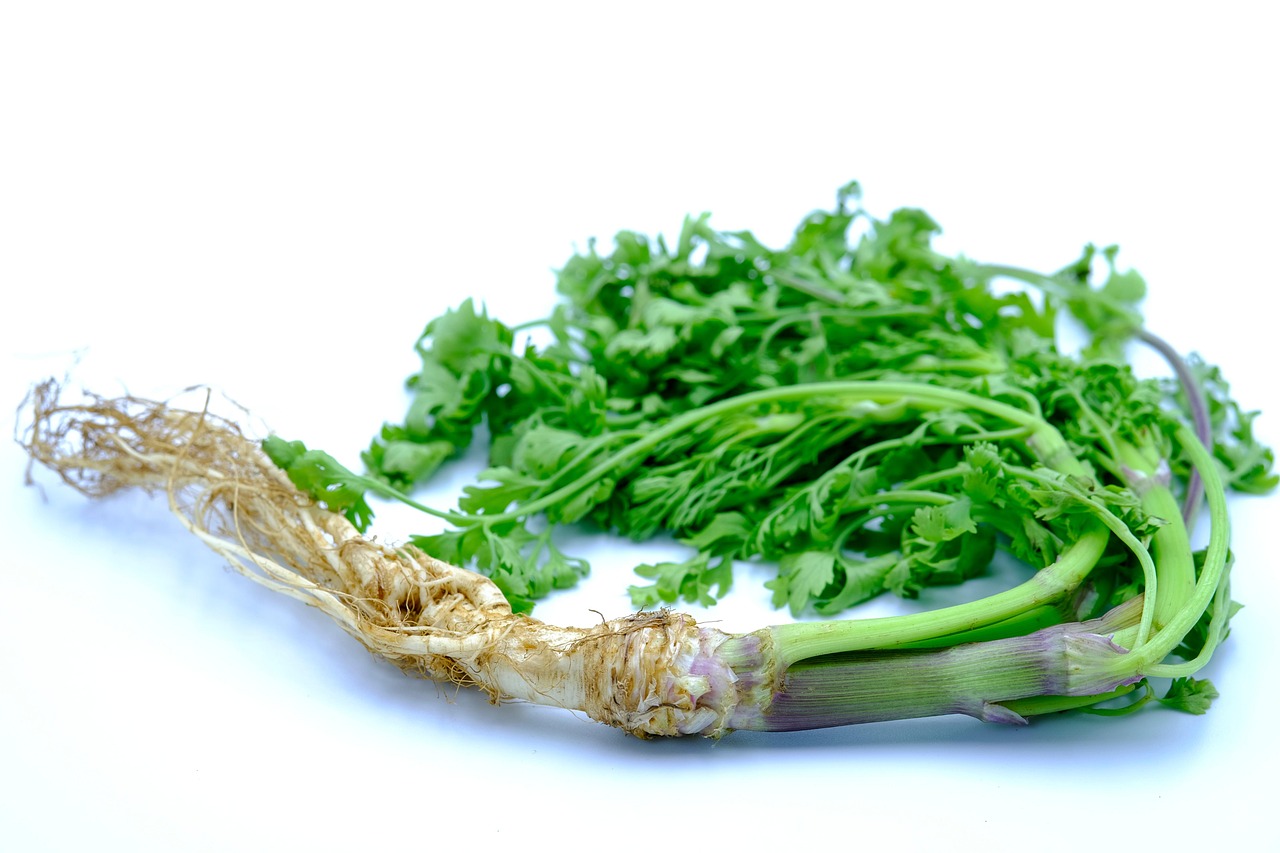
Cilantro leaf essential oil, sometimes labeled coriander leaf oil, is produced by distilling the fresh or partially dried aerial parts of the plant, primarily the leaves and tender stems. This is a much earlier stage of the plant's life cycle. The leaves are harvested before the plant bolts and sets seed. The chemistry at this stage is strikingly different from what you find in the mature seed.
The Chemistry Behind the Scent Gap
Scent differences between essential oils usually come down to their primary volatile compounds. This is where coriander seed and cilantro leaf diverge most sharply.
Coriander seed oil is dominated by linalool, a naturally occurring terpene alcohol. In well-sourced seed oil, linalool can account for 60 to 80 percent of the total composition. Linalool has a soft, slightly floral, faintly woody quality. It is also found in lavender and bergamot, which gives you a sense of its character. This dominance is why coriander seed oil blends so smoothly into floral and woody accords. For a deeper look at this compound and what it contributes, the post on linalool in coriander essential oil is worth reading.
Cilantro leaf oil tells a very different chemical story. Its dominant compounds include decanal, dodecanal, and related long-chain aldehydes. These aldehydes are the molecules responsible for the sharp, green, soapy, slightly pungent scent that divides people so strongly when they smell fresh cilantro leaves. Some people find it bright and fresh. Others find it difficult to enjoy. The genetic basis of that response has been studied, though the science is still developing.
The practical upshot: if linalool gives coriander seed oil its warmth and approachability, aldehydes give cilantro leaf oil its edge and intensity. These are not just different oils. They belong in different creative conversations.
Scent Profile Comparison
| Attribute | Coriander Seed Oil | Cilantro Leaf Oil |
|---|---|---|
| Primary scent character | Warm, round, faintly sweet, slightly citrusy | Sharp, green, aldehydic, intensely herbal |
| Dominant compounds | Linalool (60–80%) | Decanal, dodecanal (aldehydes) |
| Colour | Pale yellow to colourless | Pale yellow to light green |
| Blending ease | High: pairs with florals, woods, citrus | Moderate: challenging to balance, suits bold accords |
| Volatility / note | Middle note | Top to middle note |
| Availability | Widely available from multiple origins | Less common, smaller supplier base |
| Typical price point | Moderate | Moderate to higher |
| Common origins | Russia, Eastern Europe, India, Morocco | India, Peru, Southeast Asia |
Pros and Cons: Coriander Seed Oil
Pros
- Versatile and beginner-friendly. The linalool-forward profile makes it easy to layer into blends without overpowering other notes.
- Consistent supply. Major producing regions include Russia, India, and Morocco, giving buyers options when one harvest is poor.
- Cosmetically useful. Formulators working in skin care and hair care appreciate its mild, pleasant scent at safe dilution levels.
- Well-documented composition. Because demand is higher, there is more published data on adulteration markers and quality benchmarks.
- Calm-atmosphere use. Diffused in the evening, many people find its warmth contributes to a settled, grounded atmosphere.
Cons
- Quality varies significantly by origin. Russian seed oil and Indian seed oil can have noticeably different linalool percentages. Always request a GC/MS report.
- Adulteration is a known issue. Synthetic linalool is inexpensive and can be used to stretch lower-quality batches. Sourcing from transparent suppliers matters.
- Not a bold statement. Blenders seeking a sharp, unexpected note will find it too soft for that purpose.
Pros and Cons: Cilantro Leaf Oil

Pros
- Distinctive and unusual. The aldehydic, green character is genuinely uncommon in the essential oil world. Blenders after something unexpected will find it interesting.
- True-to-plant fidelity. For culinary-inspired fragrance work or botanical storytelling, cilantro leaf oil captures what the fresh herb actually smells like more accurately than the seed oil does.
- Pairs with green and aquatic accords. Works well alongside violet leaf, galbanum, and similar sharp green notes.
Cons
- Polarising scent. The aldehydic quality that makes it interesting to some people is precisely what makes others dislike it strongly. User testing before committing to a formulation is wise.
- Harder to source reliably. Fewer suppliers carry it, and batch consistency can be more variable than with seed oil.
- Challenging to blend. The sharpness can dominate a formula if overused. It demands careful hand.
- Less familiar to consumers. If you are making products for retail, the scent may need more context or education to land well.
Best For: Matching the Oil to the Use Case
Diffusion and Home Atmosphere
Choose coriander seed oil. Its warm, rounded profile diffuses beautifully and blends with citrus, wood, and floral notes without effort. A few drops with bergamot and cedarwood creates a grounded evening atmosphere. Cilantro leaf oil can work in diffusion, but the sharpness tends to be more fatiguing over a long session.
Perfumery and Fragrance Blending
It depends on the accord. Coriander seed oil serves as a soft middle note in floral orientals, spice blends, and woody compositions. Cilantro leaf oil is more appropriate when you are building a green, herbal, or nature-forward fragrance and need an authentic sharp-leaf quality. Neither oil is better in the absolute sense; they simply answer different creative briefs.
Skin Care Formulation
Coriander seed oil is the more practical choice for most formulators. It is gentler on the nose, easier for consumers to accept, and its composition is better characterized in the literature. Always dilute to appropriate levels for the product type, patch test on a small skin area before broader use, and consult current safety guidelines from IFRA or your regional regulatory body. Cilantro leaf oil is used in some cosmetic formulations, but its aldehydic content warrants careful attention to dilution.
Hair Care Products
Coriander seed oil appears in some hair serums and conditioning formulations, where its mild scent adds a pleasant aromatic note at low concentrations. Cilantro leaf oil is less commonly used in this context.
Culinary-Inspired Fragrance or Candles
Cilantro leaf oil earns its place here. If you are creating a fragrance that evokes a farmers market, a fresh herb garden, or a kitchen-herb atmosphere, the leaf oil will do that job more convincingly than the seed oil. The gap between them is widest in this context.
Educational or Botanical Collections
Buy both. If you are building a teaching collection or want to understand how one plant produces radically different aromatics depending on which part is distilled, comparing these two side by side is one of the most instructive exercises available. Start with the complete guide to coriander seed essential oil to build a solid foundation before bringing the leaf oil into the comparison.
A Note on Safety for Both Oils
Both oils require responsible use. Key points to keep in mind:
- Always dilute before applying to skin. A general starting point for topical use is 1 to 2 percent in a carrier oil, though appropriate dilution varies by product type and user.
- Perform a patch test on a small area of skin and wait 24 hours before broader use.
- Keep both oils away from eyes and mucous membranes.
- Both are not suitable for use on young children without specific guidance from a qualified practitioner.
- If you are pregnant, breastfeeding, or managing any health situation, consult a qualified healthcare provider before introducing new essential oils into your routine.
- Do not ingest essential oils unless working with a qualified professional.
The Verdict
For most people building a personal collection or a product line, coriander seed oil is the more useful starting point. It is easier to source well, easier to blend, and easier for a broad audience to enjoy. The warm, linalool-rich profile makes it one of the more approachable oils in the spice-and-seed category.
Cilantro leaf oil is not a lesser product. It is simply a more specialized one. Its sharp, aldehydic character suits a narrower set of applications, and it asks more of the blender. When it is right, it is very right. But it is rarely the first oil someone should reach for.
The deeper lesson here is about botanical complexity. One plant, harvested at two different life stages, produces oils with almost nothing in common at the level of scent. That is worth pausing on. It is a reminder that Coriandrum sativum is not one aromatic story but at least two, and both are worth knowing.